
 Monitoring
Phone Rules That Actually Work: A Family Agreement, Not a Spy Game
Rules that are imposed are broken quietly. Rules that are agreed on are followed — most of the time. A family phone agreement is not a document about punishment. It is one page that says what the child decides alone, what the parent checks, and what the detector notices. When those three layers are visible to both sides, the phone stops being a daily argument.
Why just forbidding it fails
A ban does not remove the phone. The child borrows a friend device, uses a school tablet, or hides a second one. You lose visibility and gain secrecy — the worst combination, because the dangerous conversations simply move to the place you cannot see.
Three levels of one agreement
Level 1 — the child decides. Which apps to use, who to message, what to post. This is the child space, and the agreement must say so explicitly. Without that, it is not an agreement but a list of restrictions.
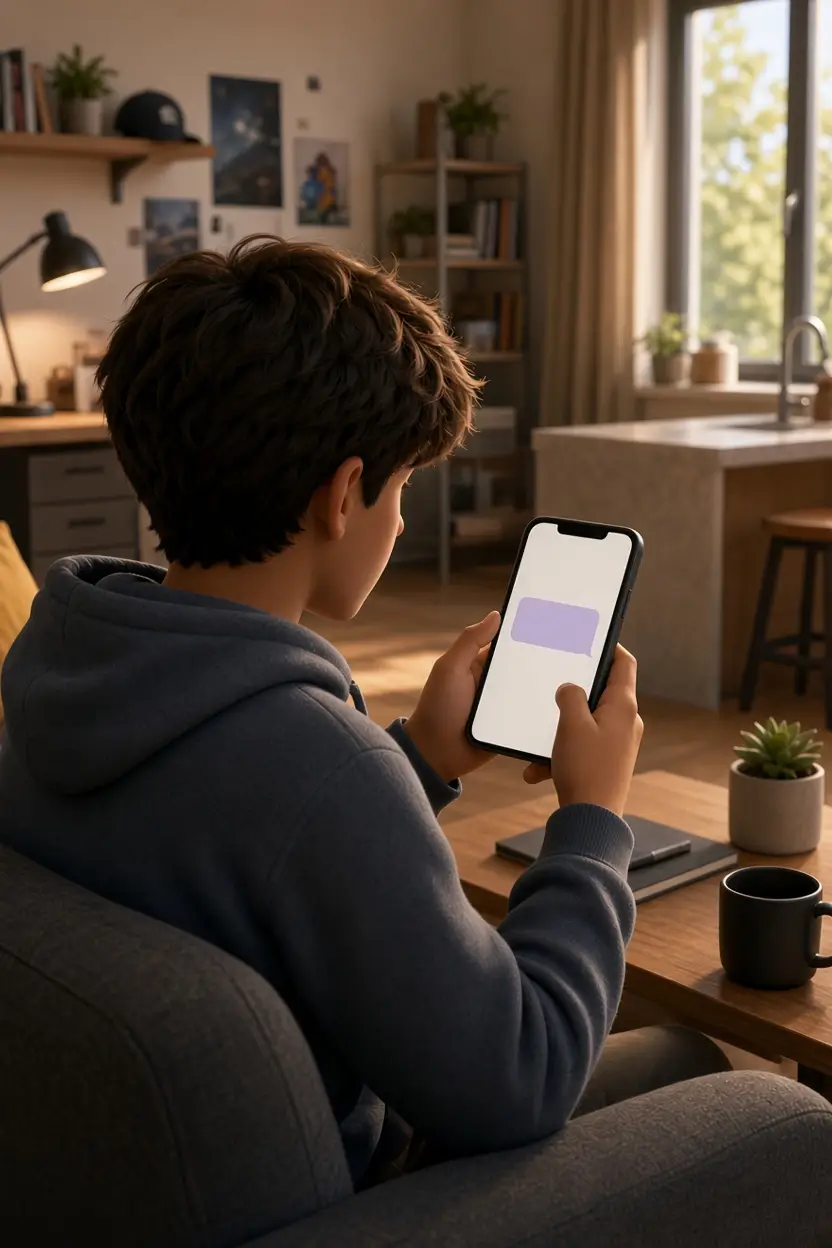
Level 2 — the parent checks. Time limits, purchases, and one rule that matters most: a new adult contact is discussed at home. Checks are announced — the child knows what is checked and when, so the agreement does not turn into surveillance.
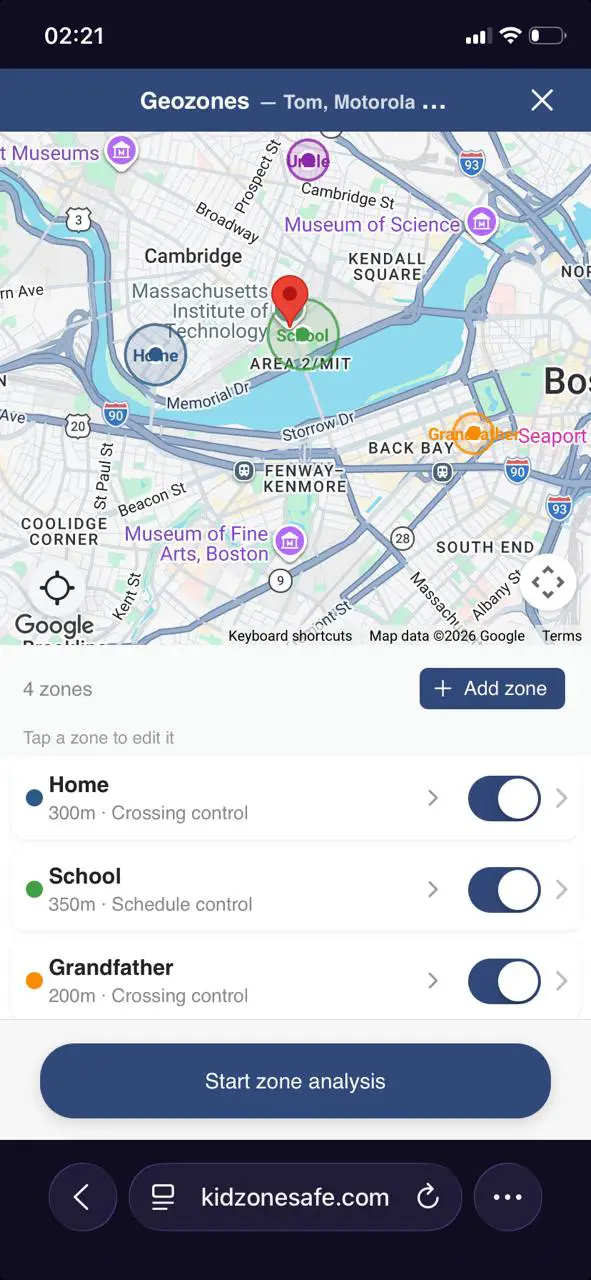
Level 3 — the detector notices. Threats, bullying and manipulation in the conversation, dangerous sounds around the child, leaving a geozone at the wrong time. This layer exists so that the parent does not have to read every chat to find the one that matters.

Full transparency: what is monitored and what is not
The quickest way to lose trust is to be vague. Say it plainly:
- monitored: the pattern of messages with unknown adults, threats and pressure, sounds of a conflict around the child, arriving at school or home on schedule;
- not monitored: the content of ordinary chats with friends, photos in the gallery, browsing history of harmless sites, the child location outside the agreed zones.
If a parent cannot name what is not monitored, the child will assume everything is.
How to say it: three ages, one structure
8–11: short and concrete — who can write, what to do if a stranger asks for a favour, that telling a parent is never a punishment.
12–14: explain the threat, not the rule: what recruiting looks like, why secrecy is the first warning sign, why you check what you check.
15+: negotiate. A teenager needs room, and the honest offer is: you keep your space, and I get an alert only when the system sees real danger.
If the child says no
Refusal is information, not a defeat. Ask what exactly feels like control and cut that part first — usually it is reading chats, not receiving alerts about threats. Keep the layer that protects the child without exposing their conversations, and put the agreement in writing so it does not change with your mood.
Why the third layer is the one that stays
Detector → alert → live check → intervention. The messenger and sound detectors watch for patterns — pressure, threats, demands for secrecy — and send an alert to the channel you chose: Telegram bot, push on kidzonesafe.com, SMS or a phone call. You verify the situation with live access only when the alert arrives, and Intervene mode lets your voice reach the phone if the child is in danger right now. The rules stay on paper; the third layer stays in the background, and that is what makes the agreement survivable for a teenager.
A practical next read: an adult asked your child to deliver a package — the case where secrecy was the whole trap. And if you are choosing what to agree on by age: parental monitoring by age.
Set it up in a few minutes — the trial period is 5 days, and the agreement can be printed and signed by both sides.